
The commercial vehicle sector has witnessed frequent developments this week, with global markets evolving through electrification, intelligentization, and structural transformation. From substantial government subsidies in Europe to real-world road tests of autonomous vehicles, from eco-upgrades of traditional powertrain systems to strategic reorganizations of emerging brands, the industry is undergoing accelerated transformation driven by policy, technological, and market forces. This article highlights recent key trends and provides an overview of cutting-edge developments in the sector.
Subsidies for electric trucks in the UK
The promotion of electric trucks is not only a trend in EU countries but also a move by the UK. Recently, the UK government announced a subsidy scheme for the purchase of electric trucks. Transport companies can apply by March this year, with the unprecedented budget totaling £318 million, equivalent to over €370 million.
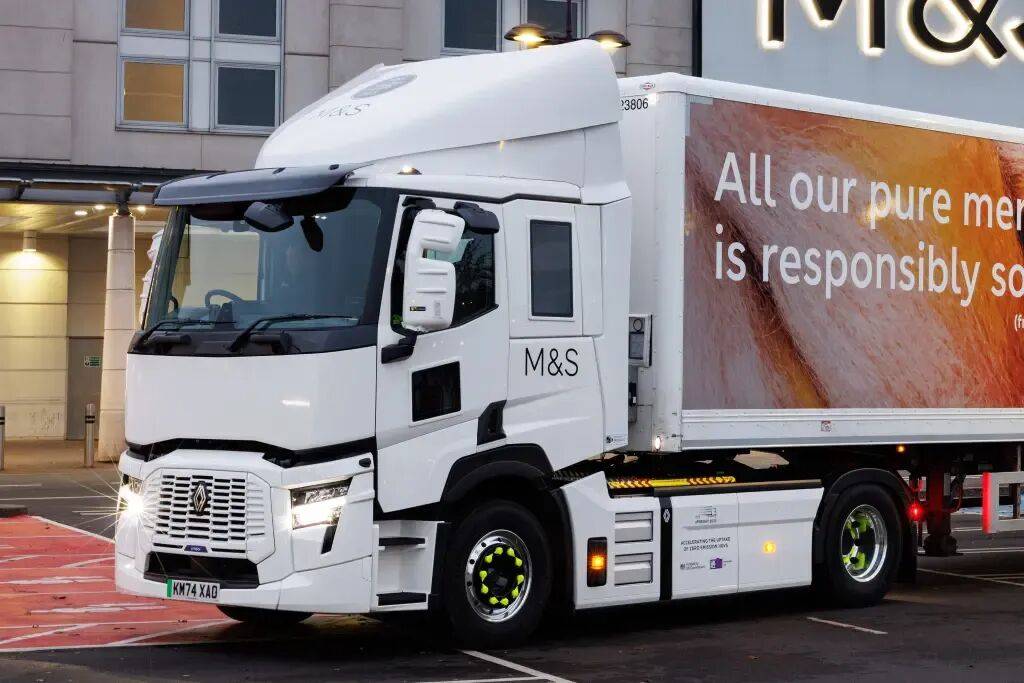

The subsidy amount for bicycles will be determined based on the vehicle’s value and permitted total mass. For the largest category—tractors or chassis vehicles exceeding 26 tons—the subsidy cap reaches up to £120,000 per vehicle, equivalent to approximately €140,000. Data shows that in the first three quarters of 2025, over 2,200 electric trucks with a total mass exceeding 3.5 tons were newly registered in the UK, accounting for about 6% of the country’s total truck market during the same period.
Eveco and PlusAI have conducted multiple autonomous truck tests in Spain, with the collaboration spanning regions including Germany. The truck manufacturer and the Sino-American joint venture specializing in AI-powered autonomous driving technology have now launched a new project. They plan to equip two Iveco S-Way heavy-duty tractors with SAE Level 4 autonomous driving technology kits and perform real-world road tests in Spain.
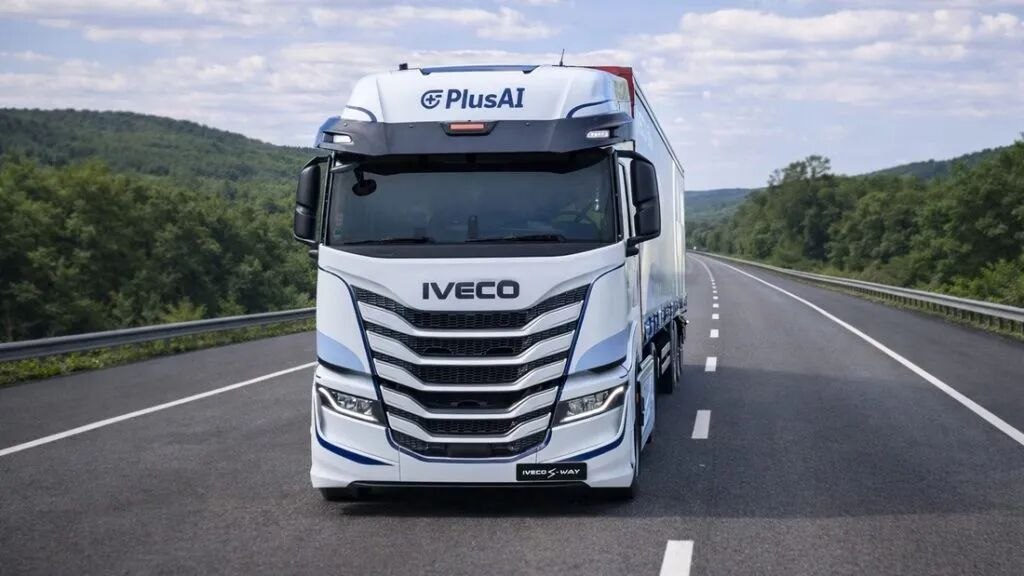
Specifically, two Iveco S-Way trucks equipped with PlusAI will operate the Madrid-Saragosa route for logistics company Sese, covering a one-way distance of approximately 300 kilometers. The testing phase is scheduled to begin in 2026 and run for several years. During the testing period, in addition to the virtual driver named « PlusAI SuperDrive, » a safety driver will always be on board to intervene in emergencies.
Russia’s Light Commercial Vehicle (LCV) Market Shows Signs of Cooling: Sales Expected to Decline by Nearly 25% by 2025. By the end of 2025, Russia’s new LCV market exhibits a dual characteristic of « base effect decline with lingering recovery potential. » According to data from « Autostat Info, » Russia sold 8,816 new LCV units in December 2025, marking a 21% year-on-year decrease (compared to 11,207 units in the same period last year), but representing a roughly one-third increase from November 2025 (6,847 units). The annual market volume dropped to 82,988 units, down 24% from 2024’s 108,535 units. After maintaining relatively stable monthly sales (5,700-6,400 units) in the first quarter, the market surged to 7,687 units in April before bottoming out at 5,506 units in June. The market rebounded again during summer and autumn, reaching an annual peak of 8,838 units in October. Although December sales slightly missed this peak, they remained high, reflecting companies’ concentrated execution of delayed procurement plans before year-end while maintaining caution regarding interest rate, exchange rate, and tax policy changes.
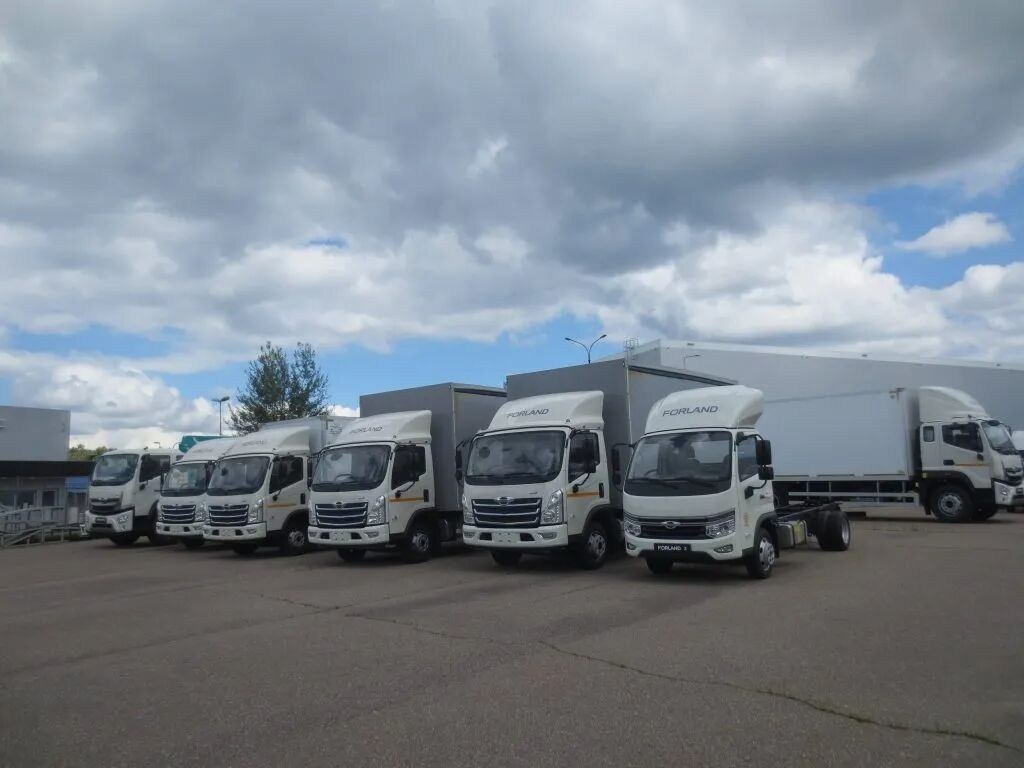
Despite significant sales fluctuations, the brand landscape remained relatively stable: GAZ (Gorky Automobile Plant) continued to be the market pillar, with December sales at 4,596 units (down 20% year-on-year) and annual sales at 40,570 units (down 33% year-on-year), bearing the brunt of the overall decline.
Lada delivered strong performance: Despite sluggish December sales of 1,173 units (down 49% year-on-year), its LCV sales for the full year bucked the trend with a 34% increase to 14,561 units, driven by the launch of the Lada Largus commercial vehicle series and more competitive pricing.
UAZ (Ulyanovsk Automobile Plant) saw its market share shrink: December sales dropped by 21%, with a 38% annual decline.
Other brands showed divergent performance: Mercedes-Benz (+41% year-on-year), Foton (+131%), Fiat (+51%), and Kamaz (+5%) demonstrated strong demand in niche markets or specialized modified chassis sectors, despite their smaller market bases.
Wagon Truck Company has announced that its 2027 S13 Integrated Powertrain will meet the stringent 2027 EPA emission standards ahead of schedule. The system, featuring exceptional fuel efficiency, an optimized driving experience, lower maintenance costs, and high reliability, has successfully expanded its market share over the past year. The company expects these advantages to be further enhanced with the 2027 model launch. The new system requires only minor modifications to the existing platform to comply with the EPA’s nitrogen oxide emission limit (0.035 grams per mile) for heavy-duty commercial vehicles.
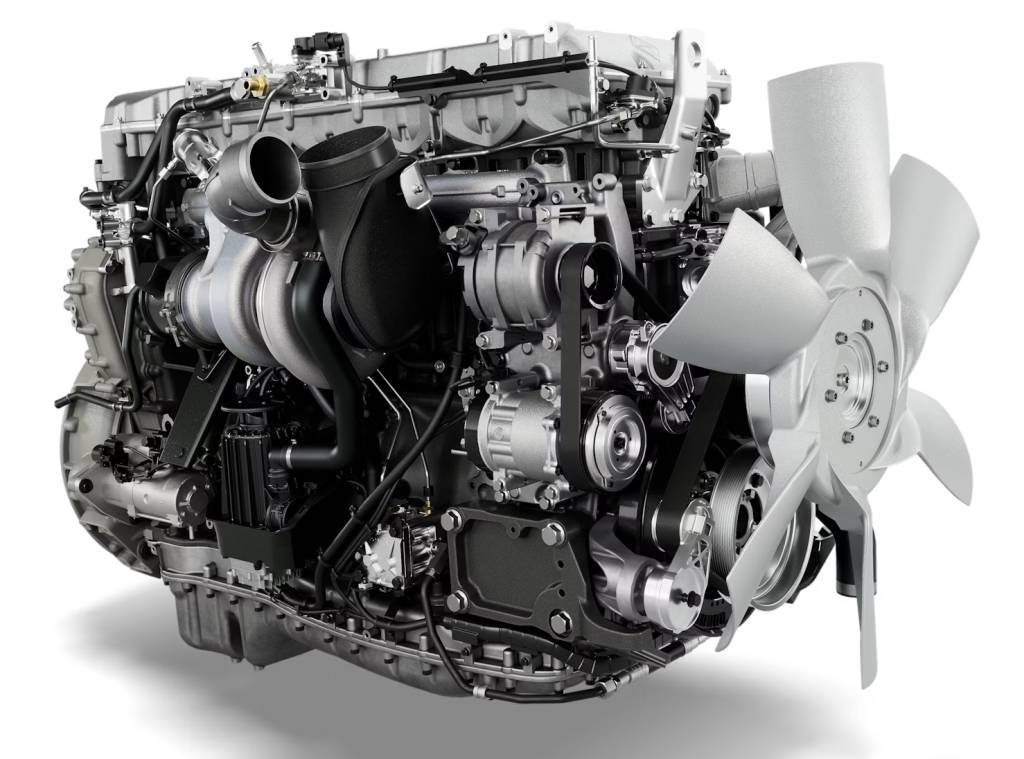
« From the outset of our design, we proactively considered future regulations, ensuring the 2027 solution remains highly competitive, » stated David Schilman, Vice President of Sales at GMC Truck Integration Technologies, during a recent virtual event. The 2027 powertrain hardware achieves over 90% compatibility with the current platform, guaranteeing continuity in service tools, components, and technician training. Key upgrades focus on the S13 engine, T14 transmission, and electrical architecture: S13 Engine: Incorporates a variable valve timing system with hydraulic clutch, variable valve timing brake technology, an EPA-compliant closed-crankcase ventilation system, and an oil centrifugal filter maintaining the existing oil change cycle.
T14 transmission: Upgraded with a 24V control module that integrates GPS and terrain data for intelligent predictive shifting.
Electrical architecture: A platform-wide standardized 24V system enhances reliability and cold-start performance, while maintaining compatibility with the 12V cab and chassis systems.
Hilman underscored how Wan Guo achieved industry-leading lightweighting through streamlined design: « While competitors may pursue more complex solutions, we simplify complexity… We deliver the most market-friendly technology to comply with 2027 regulations. » This breakthrough stems from Wan Guo’s proprietary powertrain development, supported by its parent company Traton Group. Senior Vice President and Chief Technology Officer (CTO) Caterina Mitchell-Adegbeami noted that this approach enabled Wan Guo to build an entirely new generation of powertrain systems from scratch.
Dafu’s XG+ Electric: The Largest Electric Truck with a Spacious Cab? Dafu has recently announced the expansion of its electric truck lineup, introducing two new models, the XG and XG+. This move has drawn significant attention, as the vehicles not only boast a 500-kilometer range but also feature one of the most spacious cabs currently available on the market.
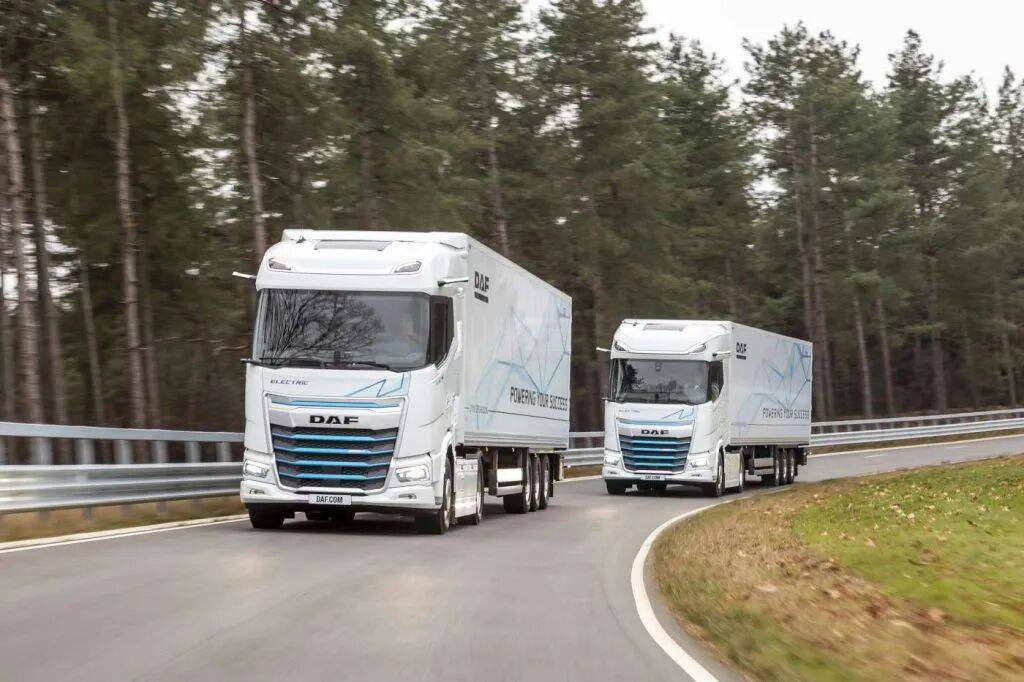
Previously, Dafu had mass-produced and supplied two heavy-duty electric vehicle models: XD Electric and XF Electric. Both featured medium-sized cabs with a prominent engine bay bulge and standard-sized berths. The product lineup has now expanded to include XG Electric and XG+ Electric. These models adopt high-roof cabs with ultra-long berths. Notably, the XG+ variant is acclaimed as the most spacious cabin in the European market, specifically designed to meet the demands of long-distance and even two-vehicle fleet transportation.
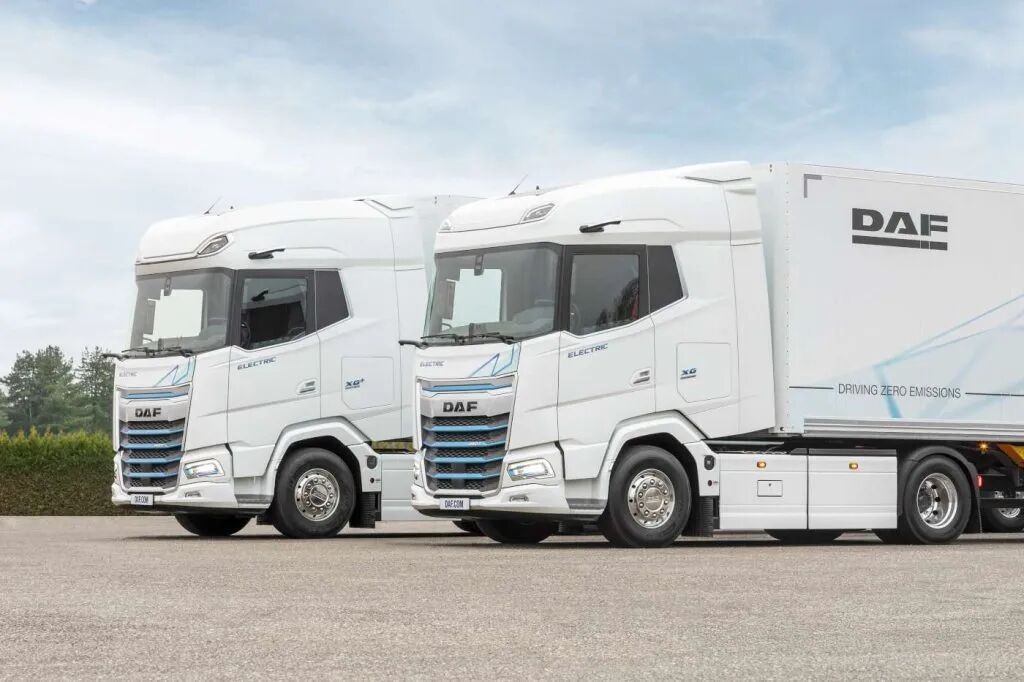
The electric variants of the XG and XG+ will uniformly feature the Paccar EX-D2 motor, delivering 370 to 480 horsepower. This ZF Group-developed motor is paired with a three-speed transmission and mounted between the frame’s longitudinal beams. The vehicles also utilize LFP (lithium iron phosphate) battery packs with a maximum capacity of 525 kWh, supporting charging at up to 325 kW. These configurations reportedly enable the 40-ton-class trucks to achieve a range of approximately 500 kilometers, with an additional 100 kilometers of range achievable within 15-20 minutes of charging.
Quantron, a rising German truck manufacturer, is set to resume operations. Meanwhile, Halle Group is restructuring its zero-emission commercial vehicle business. By acquiring Pepper, a vehicle modification company, and reorganizing the bankrupt Quantron, the group aims to create an integrated solution platform called ‘fleet transformation as a service’ (FTaaS).
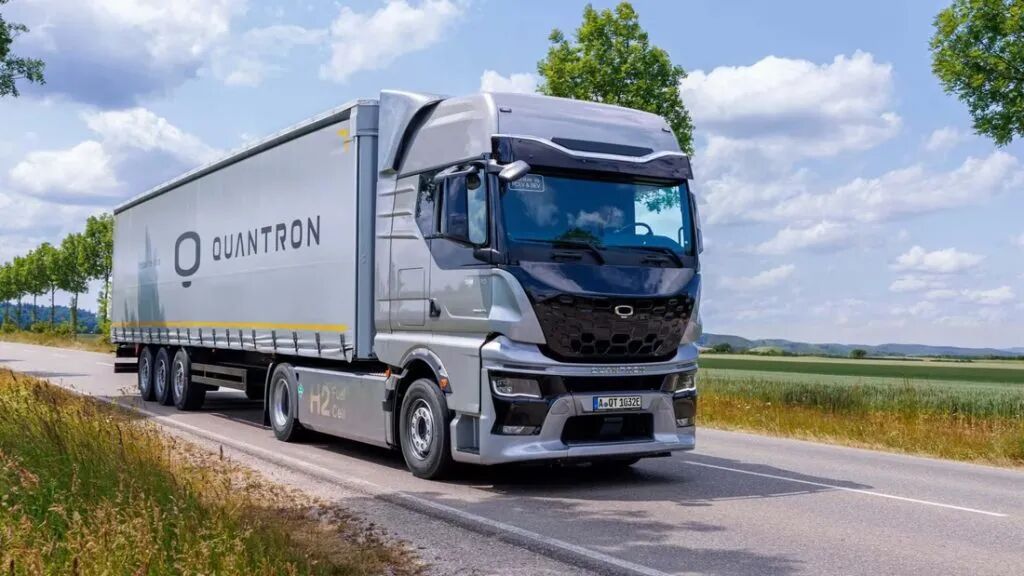
A cornerstone of the new framework is Quantron. The company had garnered attention in recent years for its ambitious hydrogen energy and electric truck initiatives, but failed to materialize these commitments economically, ultimately going bankrupt in late 2023. Subsequently, founder Andreas Haller repurchased Quantron from the bankruptcy estate. This repositioning may therefore be viewed with caution by potential investors. Although Andreas Hager has been appointed as the new CEO of Quantron’s business unit, the critical question now is whether the company can successfully establish a product portfolio, secure stable supply chains, and ultimately achieve sustainable revenue in this new phase of development.
Mann plans to achieve €9 billion in cost savings while maintaining operations at its German plant. In late 2025, reports revealed that the Mann Group commissioned a specialized evaluation report. The analysis of the company’s financial status and future plans explicitly stated that to maintain profitability and sustain investment, the company must achieve approximately €9 billion in cost savings by 2028. The report recommended adjusting the production structure to accomplish this goal, specifically by relocating its core operations from Germany to Poland.
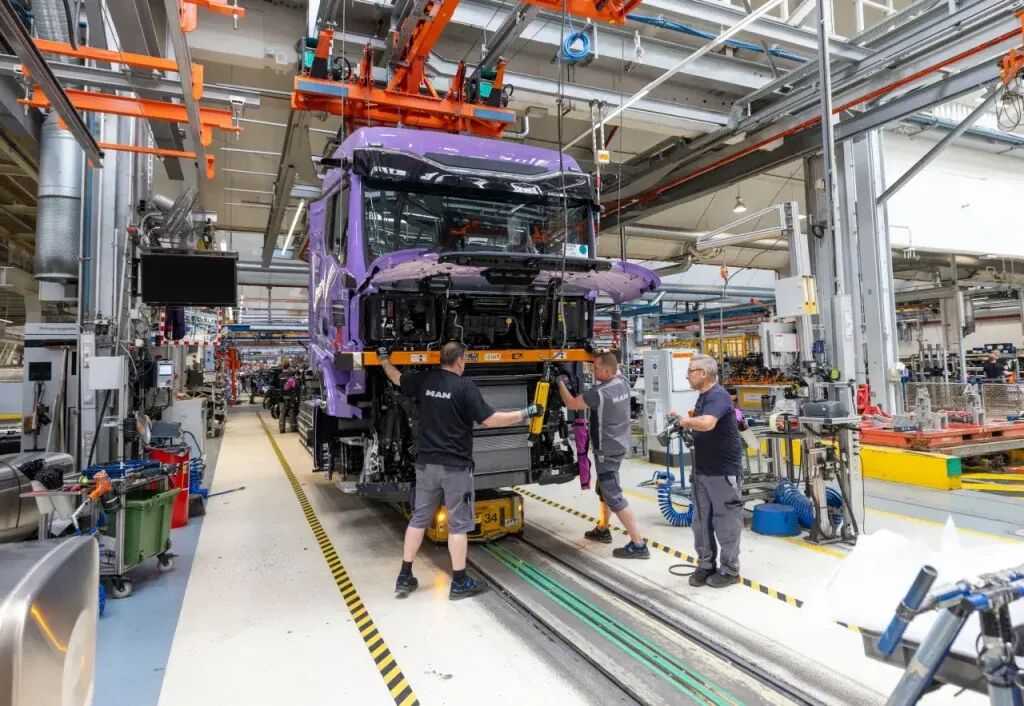
MAN’s management has now formally addressed the report, unveiling concrete measures that could shape the company’s trajectory for years to come. The corporation unveiled its « MAN2030+ » initiative, detailing strategic plans for cost containment, investment, and workforce optimization. Notably, this plan was developed in consultation with German trade unions and has secured their official endorsement. This ensures the « MAN2030+ » will not face employee resistance, paving the way for its smooth implementation.
The plan sets a target to achieve approximately 9 billion euros in savings by 2028, with most of these reductions coming not from layoffs but through optimized material procurement and daily operational costs. Additionally, the company aims to further improve financial performance by boosting vehicle sales. Mann’s German factories—including those in Munich, Nuremberg, Salzgitter, and Wittenberg—will remain operational, with staff adjustments limited to « natural attrition, » meaning only partial replacements for retired employees. Furthermore, the company plans to invest around 10 billion euros in German production facilities by 2030 to modernize them, adapting to new technologies like electrification and automation to enhance future competitiveness.
What changes will Mann’s factory in Poland face? The company’s statement offers a broad overview. Mann announced plans to « make significant new investments in Eastern Europe » to deploy the Traton modular system. This system serves as a shared platform for all brands under the Traton Group. Through a unified architecture, core components of various truck brands will achieve high interoperability, significantly reducing production, R&D, and procurement costs. This also means that future trucks from Mann and Scania will not only share driving systems but also increasingly align in components like cabs and chassis.
This week has seen electrification and smart technologies remain the driving forces behind commercial vehicle development, with policies and corporate strategies worldwide steering the industry toward low-carbon and high-efficiency solutions. Meanwhile, market fragmentation and regional shifts highlight the need to balance cost, supply chain efficiency, and localization demands during this transition. As more technologies mature and policies become clearer in the coming weeks, the industry landscape is poised for a profound reshaping. Stay tuned for updates. Want to stay ahead of the curve in the global commercial vehicle sector? Keep an eye on Tijia Commercial Vehicle Network and its European and American truck communities!
原创文章,作者:ctinfr,如若转载,请注明出处:https://ctinfr.com/informations-dentreprise/6694/
